





Every successful outdoor transformation begins long before the first tree is planted or the first paver is installed. Proper landscape planning provides a clear roadmap that helps homeowners create an attractive, functional, and sustainable outdoor space while avoiding costly mistakes. Taking the time to carefully plan every aspect of a project allows the finished landscape to meet both immediate needs and long-term goals.
Whether you are designing a new landscape or renovating an existing yard, thoughtful planning helps maximize your investment, improve property value, and create an outdoor environment that remains beautiful and practical for years to come.
What Is Landscape Planning?
Landscape planning is the process of evaluating a property’s existing conditions, identifying the homeowner’s goals, and creating a design strategy that combines aesthetics, functionality, and environmental considerations. Rather than making decisions one feature at a time, landscape planning ensures every element works together as a cohesive design.
A comprehensive landscape plan typically considers:
- Property layout
- Soil conditions
- Drainage patterns
- Sun and shade exposure
- Existing vegetation
- Outdoor living needs
- Plant selection
- Hardscape placement
- Irrigation requirements
- Future landscape maintenance needs
Careful planning helps eliminate guesswork and supports a more efficient installation process.
Prevents Costly Mistakes
One of the greatest benefits of landscape planning is avoiding expensive problems that often result from poor preparation.
Without a detailed plan, homeowners may encounter issues such as:
- Plants outgrowing their spaces
- Poor drainage
- Inefficient irrigation
- Crowded landscape beds
- Walkways placed in inconvenient locations
- Incompatible plant selections
Correcting these mistakes after installation often costs significantly more than addressing them during the planning stage.
Creates a Cohesive Landscape Design
A professionally planned landscape has a balanced appearance because every feature is designed to complement the others. Instead of looking like separate projects completed over time, the entire property feels unified.
Good landscape planning helps coordinate:
- Plant colors and textures
- Tree placement
- Lawn areas
- Outdoor living spaces
- Lighting
- Water features
- Retaining walls
- Walkways and patios
The result is an outdoor environment that feels intentional and visually appealing.
Improves Functionality
An attractive landscape should also support the way you use your outdoor space. Landscape planning focuses on both beauty and practicality to create areas that serve your daily lifestyle.
A functional landscape may include:
- Comfortable gathering spaces
- Safe walkways
- Outdoor kitchens
- Children’s play areas
- Pet-friendly spaces
- Privacy screening
- Accessible garden beds
Designing these features early allows them to integrate naturally into the overall landscape.
Supports Healthy Plant Growth
Proper plant selection is a critical part of landscape planning. Every plant has specific requirements for sunlight, water, soil, and growing space.
Planning ahead helps ensure plants are placed where they can thrive based on:
- Sun exposure
- Soil quality
- Drainage conditions
- Mature size
- Climate compatibility
The United States Department of Agriculture recommends selecting plants that match your local hardiness zone to improve long-term survival and reduce maintenance needs.
Solves Drainage Challenges Before Installation
Poor drainage is one of the leading causes of landscape failure. Water that collects around foundations, patios, or planting beds can damage plants and create structural concerns.
Landscape planning identifies drainage issues before construction begins, allowing for solutions such as:
- Proper grading
- French drains
- Dry creek beds
- Rain gardens
- Permeable hardscape materials
Addressing drainage early helps protect both your landscape and your home.
Makes Irrigation More Efficient
An irrigation system should be designed around the landscape, not added as an afterthought. Proper planning allows irrigation zones to match the specific water needs of different plant types.
Benefits of efficient irrigation planning include:
- Reduced water waste
- Lower utility costs
- Healthier lawns
- Stronger plant growth
- Better drought resistance
According to the United States Environmental Protection Agency, efficient irrigation practices help conserve water while maintaining healthy landscapes.
Helps Control Long-Term Maintenance
Every landscaping decision affects future maintenance requirements. Some plants require frequent pruning, while others are naturally low maintenance. Likewise, large lawns often demand more mowing, watering, and fertilization than smaller planted areas.
Landscape planning considers maintenance from the beginning by selecting appropriate:
- Plant varieties
- Mulch materials
- Lawn sizes
- Irrigation systems
- Hardscape features
This creates a landscape that is easier and more affordable to maintain over time.
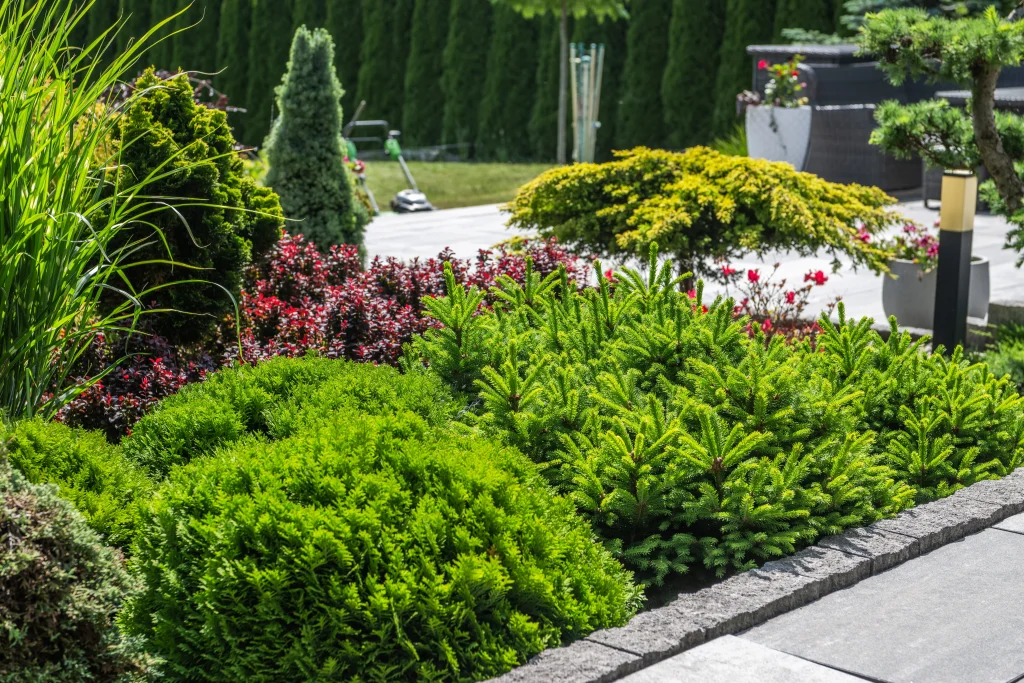
Maximizes Property Value
A thoughtfully planned landscape enhances curb appeal and can increase the overall value of a property. Buyers often appreciate outdoor spaces that are both attractive and functional.
Features that can improve property value include:
- Professionally designed planting beds
- Outdoor entertainment areas
- Quality hardscaping
- Landscape lighting
- Healthy lawns
- Mature trees
- Efficient irrigation systems
According to the National Association of Realtors, well-designed landscaping is an important factor that contributes to a home’s overall marketability.
Encourages Sustainable Landscaping
Modern landscape planning often incorporates environmentally responsible practices that benefit both homeowners and the surrounding environment.
Sustainable strategies may include:
- Native plant selections
- Drought-tolerant landscaping
- Rainwater management
- Water-efficient irrigation
- Reduced lawn areas
- Pollinator-friendly gardens
These approaches help conserve resources while supporting healthier ecosystems.
Why Professional Landscape Planning Matters
While homeowners can successfully complete smaller projects, larger landscape installations often benefit from professional expertise. Experienced landscape professionals understand how to combine design principles, construction methods, horticulture, and site conditions into a complete plan.
Professional landscape planning helps ensure:
- Accurate site evaluation
- Efficient use of available space
- Proper grading and drainage
- Appropriate plant selection
- Long-term landscape performance
- Fewer costly changes during construction
A detailed plan also provides a clear vision before installation begins, making it easier to manage timelines and budgets.
Read also: Landscape Maintenance Tips to Keep Your Yard Looking Its Best
Start Your Landscape Project with Expert Planning
Thoughtful landscape planning creates the foundation for an outdoor space that is attractive, functional, and built to last. Considering site conditions, plant selection, drainage, and future maintenance helps prevent costly issues while supporting long-term landscape success. A well-planned design allows your property to grow beautifully while meeting your lifestyle and outdoor living goals.
If you are ready to bring your landscaping vision to life, contact Alpine Aesthetic Landscapes for professional planning and design services. Their experienced team will help you create a customized landscape that complements your property while maximizing beauty, functionality, and long-term value. Contact Alpine Aesthetic Landscapes today to begin planning an outdoor space you’ll enjoy for years to come.