





A well-maintained yard does more than enhance curb appeal. It promotes healthier plants, protects your landscaping investment, and creates an inviting outdoor space you can enjoy throughout the year. Following the right landscape maintenance practices helps prevent common issues such as weeds, pests, diseased plants, and uneven growth while keeping your property looking its best in every season.
Whether you have a simple garden or an elaborate outdoor living space, consistent landscape maintenance is the key to preserving its beauty, functionality, and long-term value.
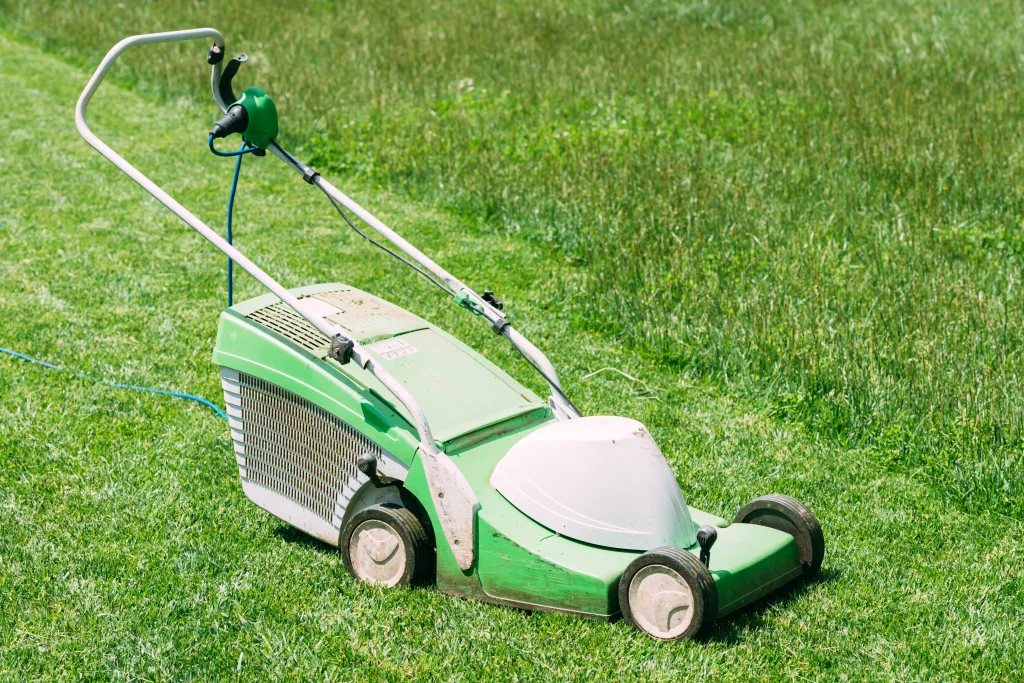
Why Landscape Maintenance Matters
Landscapes naturally change throughout the year due to weather, seasonal growth, and environmental conditions. Without regular care, even professionally designed landscapes can become overgrown or develop problems that require costly repairs.
Routine landscape maintenance helps:
- Keep lawns healthy and green
- Encourage strong plant growth
- Prevent weeds from spreading
- Reduce the risk of pests and diseases
- Improve property value
- Extend the lifespan of landscape features
According to the National Association of Realtors, attractive landscaping can significantly improve a home’s curb appeal, making routine maintenance a worthwhile investment for homeowners.
Mow Your Lawn at the Proper Height
One of the most important aspects of landscape maintenance is proper lawn care. Cutting grass too short weakens the root system and makes the lawn more vulnerable to weeds, drought, and disease.
For healthier turf:
- Never remove more than one-third of the grass blade during a single mowing.
- Keep mower blades sharp for clean cuts.
- Adjust mowing height based on your grass type.
- Mow regularly during the growing season.
Healthy grass naturally crowds out weeds and creates a fuller, greener lawn.
Water Wisely
Proper irrigation is essential for maintaining healthy plants and lawns. Overwatering wastes water and can lead to root rot, while underwatering causes stress and poor growth.
Best watering practices include:
- Water deeply instead of frequently.
- Irrigate early in the morning to reduce evaporation.
- Adjust watering schedules during rainy periods.
- Inspect irrigation systems for leaks or clogged sprinkler heads.
The United States Environmental Protection Agency recommends efficient irrigation practices to reduce water waste while maintaining healthy landscapes.
Keep Weeds Under Control
Weeds compete with desirable plants for water, nutrients, and sunlight. If left untreated, they can quickly spread throughout landscape beds and lawns.
Effective weed management includes:
- Applying mulch around plants
- Pulling weeds before they produce seeds
- Maintaining healthy turf
- Using appropriate weed control products when necessary
Preventive maintenance is often more effective than treating severe weed infestations later.
Prune Trees and Shrubs Regularly
Routine pruning keeps trees and shrubs healthy while improving their appearance and structure. Removing dead, damaged, or crossing branches encourages better airflow and reduces the risk of disease.
Benefits of proper pruning include:
- Stronger plant growth
- Improved flowering
- Better shape and appearance
- Reduced safety hazards
- Increased sunlight penetration
Different plant species have unique pruning schedules, so timing is important for optimal results.
Refresh Mulch Each Year
Mulch serves several important functions in landscape maintenance. It helps regulate soil temperature, retain moisture, suppress weeds, and improve the overall appearance of planting beds.
For best results:
- Maintain a mulch depth of 2 to 3 inches.
- Keep mulch away from tree trunks and plant stems.
- Replace or refresh mulch as it naturally decomposes.
Proper mulching supports healthier soil while reducing maintenance throughout the growing season.
Fertilize Based on Soil Needs
Applying fertilizer without understanding your soil conditions can lead to poor plant performance or unnecessary nutrient buildup.
A soil test provides valuable information about:
- Soil pH
- Nutrient deficiencies
- Organic matter levels
- Recommended fertilizer applications
Using the right fertilizer at the appropriate time encourages steady growth without overfeeding plants.
Watch for Signs of Pests and Disease
Early detection is one of the most valuable landscape maintenance habits. Small issues are often easier and less expensive to address before they spread.
Common warning signs include:
- Yellowing leaves
- Holes in foliage
- Wilting plants
- Unusual spots or discoloration
- Dead branches
- Visible insects
Inspecting your landscape regularly allows you to respond quickly and protect surrounding plants.
Clean Up Seasonal Debris
Leaves, fallen branches, and dead plant material can trap moisture and create ideal conditions for pests and diseases, making seasonal cleanups an important part of maintaining a healthy landscape.
Seasonal cleanup tasks include:
- Removing fallen leaves
- Clearing branches after storms
- Cutting back dead perennials
- Cleaning landscape beds
- Removing spent annual plants
Keeping your landscape tidy improves both appearance and plant health throughout the year.
Maintain Hardscape Features
Landscape maintenance extends beyond plants and lawns. Patios, walkways, retaining walls, and other hardscape elements also require periodic care.
Maintenance may include:
- Sweeping debris
- Pressure washing surfaces
- Inspecting for cracks
- Replacing damaged pavers
- Checking drainage around hardscape areas
Routine inspections help preserve the beauty and safety of your outdoor living spaces.
Develop a Seasonal Maintenance Schedule
Different seasons require different landscape care practices. Following a maintenance calendar helps ensure that important tasks are completed at the right time.
A seasonal schedule may include:
Spring
- Lawn fertilization
- Mulch installation
- Planting flowers
- Irrigation system inspection
Summer
- Regular mowing
- Water management
- Weed control
- Pest monitoring
Fall
- Leaf removal
- Tree and shrub pruning
- Lawn aeration
- Preparing plants for winter
Winter
- Inspecting trees for damage
- Planning future landscape improvements
- Protecting sensitive plants from freezing temperatures
Staying ahead of seasonal tasks helps keep your landscape healthy year-round.
Consider Professional Landscape Maintenance
While many maintenance tasks can be handled by homeowners, professional landscape services provide consistent care and expert attention.
Professional maintenance can include:
- Lawn care
- Seasonal cleanups
- Irrigation management
- Plant health monitoring
- Pruning
- Fertilization programs
Experienced professionals understand local growing conditions and can identify potential issues before they become major problems.
Read also: Why Landscape Maintenance Matters More Than You Think
Keep Your Landscape Beautiful with Professional Maintenance
A well-maintained landscape continues to enhance your property’s appearance, health, and overall value throughout every season. Staying consistent with mowing, watering, pruning, mulching, and seasonal care helps prevent costly problems while encouraging strong plant growth. Investing in routine landscape maintenance keeps your outdoor space attractive, functional, and enjoyable for years to come.
If you are looking for dependable landscape maintenance services, contact Alpine Aesthetic Landscapes for customized solutions that fit your property’s needs. Their experienced team provides reliable care to keep your lawn, plants, and outdoor features looking their best all year long. Contact Alpine Aesthetic Landscapes today to schedule a maintenance plan that protects your investment and keeps your landscape thriving.