





Retaining walls are often associated with controlling soil erosion, but their advantages extend far beyond stabilizing slopes. A well-designed retaining wall can improve the functionality, appearance, and value of your outdoor space while solving a variety of landscaping challenges. Whether your property has steep terrain or you simply want to enhance your landscape design, understanding the many retaining wall benefits can help you make a smart investment.
From creating usable outdoor living areas to improving drainage and increasing curb appeal, retaining walls serve both practical and aesthetic purposes that contribute to a more enjoyable and durable landscape.
What Is a Retaining Wall?
A retaining wall is a structure designed to hold back soil and create level areas on sloped properties. These walls are commonly built using materials such as concrete blocks, natural stone, poured concrete, brick, or timber, depending on the project’s needs and design preferences.
Beyond supporting soil, retaining walls can become an attractive feature that enhances the overall layout and functionality of a landscape.
Creates More Usable Outdoor Space
One of the most valuable retaining wall benefits is the ability to transform sloped or uneven land into functional outdoor areas. Instead of allowing hillsides to go unused, retaining walls create flat spaces that can accommodate a variety of landscape features.
These newly created areas can be used for:
- Patios
- Outdoor kitchens
- Gardens
- Fire pit areas
- Children’s play spaces
- Seating areas
- Lawn expansions
By maximizing usable square footage, retaining walls help homeowners make better use of their property.
Improves Landscape Appearance
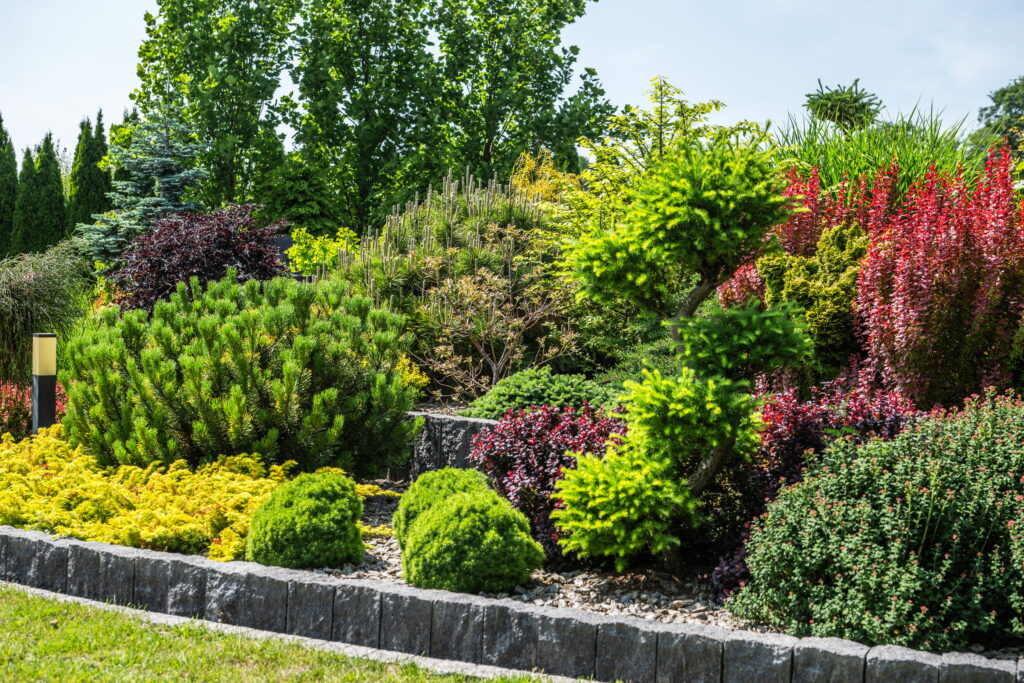
Retaining walls add visual interest and structure to a landscape. They create clean lines, define spaces, and introduce texture that complements both modern and traditional landscape installation designs.
Design options include:
- Natural stone walls
- Decorative concrete blocks
- Brick retaining walls
- Tiered wall systems
- Curved retaining walls
Choosing materials that match your home’s architecture creates a cohesive outdoor environment that enhances curb appeal.
Supports Better Drainage
Water management is an important consideration in any landscape design. Properly engineered retaining walls often include drainage systems that help direct excess water away from planting areas, patios, and your home’s foundation.
Effective drainage features may include:
- Drain pipes
- Gravel backfill
- Weep holes
- Proper grading
Managing water effectively helps reduce soil saturation and minimizes the risk of water-related damage throughout the landscape.
Reduces Soil Movement
Although erosion control is the most recognized purpose of retaining walls, preventing soil movement also protects landscape features and hardscape installations.
Stable soil helps preserve:
- Planting beds
- Walkways
- Patios
- Driveways
- Outdoor structures
Reducing soil displacement also minimizes the need for ongoing landscape repairs after heavy rainfall.
Increases Property Value
A professionally installed retaining wall can improve both the appearance and functionality of a property, making it more attractive to potential buyers.
Retaining walls contribute to property value by:
- Improving curb appeal
- Expanding usable outdoor space
- Solving drainage issues
- Enhancing landscape design
- Demonstrating quality property maintenance
According to the National Association of Realtors, attractive landscaping features are important factors that can positively influence a home’s marketability.
Protects Your Home and Landscape
Uncontrolled water runoff and shifting soil can eventually threaten nearby structures. Retaining walls help direct water flow and stabilize surrounding ground, reducing stress on important landscape elements.
They may help protect:
- Home foundations
- Fences
- Driveways
- Sidewalks
- Pools
- Garden beds
Addressing these concerns early can help homeowners avoid more expensive repairs in the future.
Enhances Outdoor Living Areas
Retaining walls are often incorporated into outdoor living spaces to improve both function and appearance. They can serve as decorative boundaries while creating comfortable gathering areas.
Common uses include:
- Built-in seating
- Raised patios
- Outdoor dining areas
- Garden terraces
- Fire pit surrounds
Integrating retaining walls into landscape design creates outdoor spaces that are both practical and visually appealing.
Offers Long-Term Durability
Modern retaining walls are designed to withstand changing weather conditions and long-term soil pressure when installed correctly.
Popular materials offer different advantages:
- Concrete blocks provide strength and design flexibility.
- Natural stone offers timeless beauty and durability.
- Poured concrete creates a clean, modern appearance.
- Brick complements traditional architectural styles.
Proper installation, drainage, and quality materials help maximize the lifespan of a retaining wall while reducing maintenance needs.
Supports Sustainable Landscaping
Retaining walls can play an important role in environmentally responsible landscape design. By reducing erosion and improving water management, they help preserve soil and minimize sediment runoff.
Additional sustainability benefits include:
- Improved stormwater control
- Reduced landscape maintenance
- Better water distribution
- Support for native planting areas
- Enhanced soil conservation
The United States Environmental Protection Agency recognizes effective stormwater management as an important practice for protecting surrounding ecosystems and water quality.
Why Professional Installation Matters
Retaining walls must withstand significant pressure from the soil behind them. Improper construction can lead to cracking, leaning, drainage problems, or structural failure.
Professional installation typically includes:
- Site evaluation
- Soil analysis
- Proper excavation
- Engineered base preparation
- Drainage installation
- Correct material selection
Experienced contractors understand local building codes and construction techniques that help ensure the retaining wall performs safely and effectively for many years.
Read also: Concrete Flatwork Explained: What It Is and Why It Matters for Your Property
Transform Your Landscape with a Professionally Built Retaining Wall
A professionally designed retaining wall does more than control erosion by improving drainage, creating usable outdoor spaces, and enhancing the overall appearance of your property. With the right design and installation, retaining walls provide long-term stability while increasing the functionality and value of your landscape. Investing in a quality retaining wall helps you make the most of your outdoor space for years to come.
If you are ready to improve your property with a custom retaining wall, contact Alpine Aesthetic Landscapes for expert design and installation services. Their experienced team creates retaining wall solutions that match your landscape, support your long-term goals, and deliver lasting performance.