





Creating a beautiful outdoor space takes more than planting flowers and installing a few landscape features. Many homeowners invest time and money into their yards but unknowingly make landscaping mistakes that lead to higher maintenance costs, unhealthy plants, drainage problems, and disappointing results. Understanding the most common landscaping mistakes can help you make informed decisions that improve both the appearance and functionality of your property.
Whether you are planning a complete landscape renovation or making small improvements, avoiding these common errors can save money and help your landscape remain healthy, attractive, and easy to maintain for years.
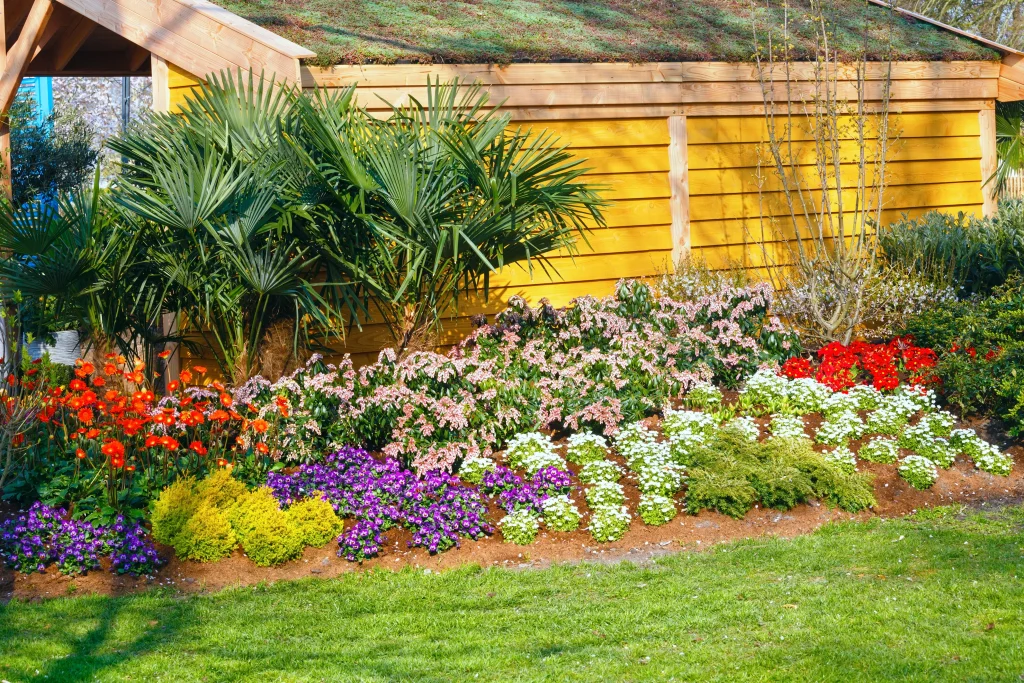
Choosing Plants Without Considering Local Conditions
One of the biggest landscaping mistakes homeowners make is selecting plants based only on appearance. A beautiful plant may not survive if it is not suited to your local climate, soil conditions, or sunlight exposure.
Before choosing plants, consider factors such as:
- USDA Hardiness Zone
- Soil type and drainage
- Daily sunlight exposure
- Mature plant size
- Water requirements
Native and climate-adapted plants often require less maintenance because they are naturally suited to local growing conditions. According to the United States Environmental Protection Agency, native landscaping can also help reduce water use while supporting local wildlife and pollinators.
Ignoring Proper Landscape Planning
Many homeowners begin planting without creating a complete landscape plan. While it may seem faster, this often results in overcrowded spaces, poor traffic flow, and inconsistent design.
A well-designed landscape should include:
- Defined planting areas
- Walkways and gathering spaces
- Proper spacing between plants
- Drainage considerations
- Future plant growth
Professional landscape planning helps create balance while ensuring every feature works together as the landscape matures.
Planting Trees Too Close to Structures
Trees provide shade, privacy, and beauty, but poor placement can create expensive problems in the future.
Large trees planted too close to homes, driveways, patios, or utility lines may eventually cause:
- Foundation concerns
- Roof damage from overhanging limbs
- Cracked sidewalks
- Root intrusion into underground utilities
- Blocked gutters
Always research the mature height and root spread before selecting planting locations.
Overwatering or Underwatering Plants
Watering mistakes are among the most common reasons landscapes struggle. More water does not always mean healthier plants.
Signs of overwatering include:
- Yellow leaves
- Root rot
- Mold growth
- Mushy soil
Signs of underwatering include:
- Wilting
- Brown leaf edges
- Dry soil
- Stunted growth
Installing an efficient irrigation system or adjusting watering schedules based on seasonal conditions helps maintain healthy plants while conserving water.
Forgetting About Proper Drainage
Poor drainage can quickly damage even the most beautiful landscape. Standing water stresses plants, erodes soil, and may eventually affect your home’s foundation.
Common drainage solutions include:
- Grading the landscape correctly
- Installing French drains
- Using dry creek beds
- Adding rain gardens
- Improving soil drainage
Addressing drainage before installing landscaping prevents costly repairs later.
Using Too Much Mulch
Mulch helps retain moisture, regulate soil temperature, and suppress weeds, but applying excessive amounts can harm plants.
A common mistake is creating “mulch volcanoes” around trees by piling mulch directly against the trunk.
Instead:
- Apply approximately 2 to 3 inches of mulch.
- Keep mulch several inches away from tree trunks and plant stems.
- Refresh mulch only when necessary.
Proper mulch application encourages healthier root systems and reduces disease risks.
Neglecting Soil Health
Healthy landscapes begin with healthy soil. Many homeowners focus on plants while overlooking the condition of the soil beneath them.
Healthy soil provides:
- Better drainage
- Strong root development
- Improved nutrient availability
- Increased drought tolerance
Conducting a soil test before planting allows you to identify nutrient deficiencies and pH imbalances so they can be corrected before installation.
Overcrowding Landscape Beds
Young plants often appear small during installation, leading homeowners to plant them too closely together.
As plants mature, overcrowding can lead to:
- Poor air circulation
- Increased disease risk
- Competition for nutrients
- More frequent pruning
- An untidy appearance
Following recommended spacing guidelines allows plants to reach their full size while maintaining a balanced landscape design.
Skipping Regular Landscape Maintenance
Even well-designed landscapes require ongoing landscape maintenance. Without regular care, weeds, pests, diseases, and overgrown vegetation can quickly reduce your landscape’s appearance.
Routine maintenance should include:
- Lawn mowing
- Pruning shrubs and trees
- Fertilization
- Weed control
- Irrigation inspections
- Seasonal cleanups
Consistent maintenance protects your investment and extends the life of your landscape.
Prioritizing Appearance Over Function
Many homeowners focus entirely on visual appeal while overlooking how they actually use their outdoor spaces.
A successful landscape should combine beauty with functionality by providing:
- Comfortable walkways
- Outdoor living spaces
- Adequate lighting
- Privacy where needed
- Safe access throughout the property
When form and function work together, the landscape becomes more enjoyable and adds greater long-term value.
Underestimating the Value of Professional Expertise
Some landscaping projects are ideal for homeowners, but larger installations often require professional planning and experience.
Landscape professionals understand:
- Proper grading and drainage
- Plant selection
- Soil preparation
- Irrigation design
- Hardscape installation
- Long-term maintenance requirements
Working with experienced professionals helps avoid costly mistakes while creating a landscape designed to perform well for many years.
Read also: Landscape Installation Done Right: Building Outdoor Spaces That Last
Avoid Landscaping Mistakes with Expert Help
Creating a beautiful and long-lasting landscape starts with smart planning, quality materials, and proper installation. Avoiding common mistakes with drainage, plant selection, irrigation, and maintenance helps protect your investment while keeping your outdoor space healthy and visually appealing. Working with experienced professionals ensures every detail is designed to support your property’s unique needs and long-term goals.
If you are ready to upgrade your outdoor space with confidence, contact Alpine Aesthetic Landscapes for expert landscaping solutions tailored to your property. Their team can help you design and build a landscape that enhances curb appeal, improves functionality, and thrives through every season. Get in touch with Alpine Aesthetic Landscapes today to bring your vision to life with lasting results.